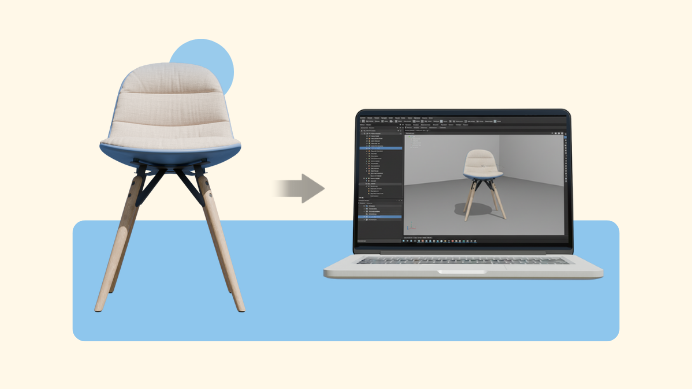


A Digital Shift in How Products Are Discovered and Specified
In the digital era of construction, products are no longer discovered only through physical catalogues, sales meetings, or trade exhibitions. Today, they are discovered inside intelligent digital building models. BIM object platforms play a crucial role in this transformation by allowing manufacturers to place their products directly into the design and planning workflows of architects, engineers, and contractors across the world. For manufacturers, this shift is not just about visibility. It is about being specified, trusted, and integrated into real construction projects from the earliest design stages. BIM object platforms have now become a strategic digital channel that directly influences purchasing decisions.

What BIM Object Platforms Mean for Manufacturers
A BIM object is a digital representation of a real product enriched with geometry, technical properties, performance values, material data, and lifecycle information. When these objects are hosted on digital platforms, they become searchable, comparable, and usable inside design software.This allows manufacturers to move from being simple product suppliers to becoming digital contributors within the construction lifecycle. When a designer inserts a manufacturer’s object into a model, the product becomes part of the project logic itself. This dramatically increases the likelihood of specification and procurement alignment.
Global Market Reach Through Digital Product Presence
Traditional product marketing is limited by geography. BIM object platforms eliminate these barriers by making manufacturer products available globally without physical distribution.Once a product is published digitally:
- • It can be accessed by design professionals worldwide
- • It always remains available without dependency on sales schedules
- • It competes on performance, data quality, and usability rather than only on brand size
For emerging and regional manufacturers, this creates a powerful opportunity to compete alongside established global brands on equal digital footing.
Higher Chances of Product Specification
One of the biggest business advantages of BIM object platforms is their impact on specification. Designers rely on digital libraries to shortlist products based on technical requirements, dimensional constraints, sustainability targets, and compliance standards.
When your product exists as a structured BIM object:
- • It becomes part of the shortlisting process
- • It moves directly into project documentation
- • It flows into quantities and schedules automatically
- • It is more likely to be retained through procurement and construction
Being digitally available at the design stage significantly improves conversion from interest to actual supply.
Clear Technical Communication Through Data Rich Models
Traditional catalogues describe products. BIM objects validate product performance through structured data. Designers can instantly review:
- • Dimensions and connection logic
- • Performance and load properties
- • Material composition and finishes
- • Code and standard compliance
- • Environmental and maintenance data
This reduces design errors, avoids misinterpretation, and minimizes the volume of technical clarifications required later in the project. For manufacturers, this leads to fewer disputes and stronger professional trust.
Faster Procurement Through Digitized Product Workflows
When a product exists as a verified BIM object, it moves seamlessly from design into procurement. Quantities are generated directly from models. Product schedules stay synchronized. Procurement teams work with accurate specifications.
This results in:
- • Reduced manual data entry
- • Lower procurement errors
- • Faster order cycles
- • Smoother coordination with contractors and installers
Digitized workflows directly improve project efficiency while strengthening the manufacturer’s position in the construction supply chain.
Business Intelligence from Product Usage Data
BIM object platforms do not only distribute products. They also generate valuable market intelligence. Manufacturers gain insights into:
- • Which products are being downloaded most
- • Which regions show higher activity
- • Which specifications are most in demand
- • Which product categories are trending
This data enables smarter decisions related to product development, pricing allocation, market expansion, and digital strategy.
Sustainability and Lifecycle Value as a Competitive Advantage
Modern projects demand environmental accountability. BIM object platforms allow manufacturers to embed sustainability and lifecycle data directly into their products. This includes embodied carbon, recyclability, durability, and maintenance data.
This supports:
- • Green building certification workflows
- • Lifecycle cost calculations
- • Long term asset management
- • Responsible product selection by designers and clients
Manufacturers who provide digital sustainability data position themselves as future ready and compliance focused.

The Strategic Role of Yatzar Asset in the BIM Object Ecosystem
Yatzar Asset is built as a next generation digital platform that connects manufacturers with the global design and construction community through intelligent product models. It is not limited to a single format, region, or workflow. It is designed to support the full digital identity of a product from discovery to application.
Through Yatzar Asset, manufacturers can:
- • Publish intelligent product models
- • Control product data and updates
- • Reach architects, consultants, and contractors worldwide
- • Support specification driven sales
- • Strengthen digital brand authority
Yatzar Asset also supports manufacturers who do not yet have digital product models by offering professional product digitization and content readiness services. This ensures that even traditional manufacturers can enter the digital specification ecosystem with confidence.
Conclusion: Digital Presence is No Longer Optional for Manufacturers
BIM object platforms are reshaping how building products are discovered, evaluated, specified, procured, and maintained. For manufacturers, participation in these platforms is now a strategic necessity rather than a marketing upgrade. Products that exist only in brochures risk being excluded from early design decisions. Products that exist as intelligent digital assets become part of the building itself before construction even begins. Manufacturers who invest in structured digital product data today are building long term relevance in the future construction economy. Your products deserve to be designed into real projects, not just displayed in catalogs.If you are a manufacturer looking to digitize your products, publish your models, and reach global design teams, Yatzar Asset is your gateway to the digital construction ecosystem.Partner with Yatzar Asset to position your products inside real construction projects worldwide. Reach us at reachus@yatzarasset.com or proceed to the Feature Your Products page to begin your digital onboarding.